Image
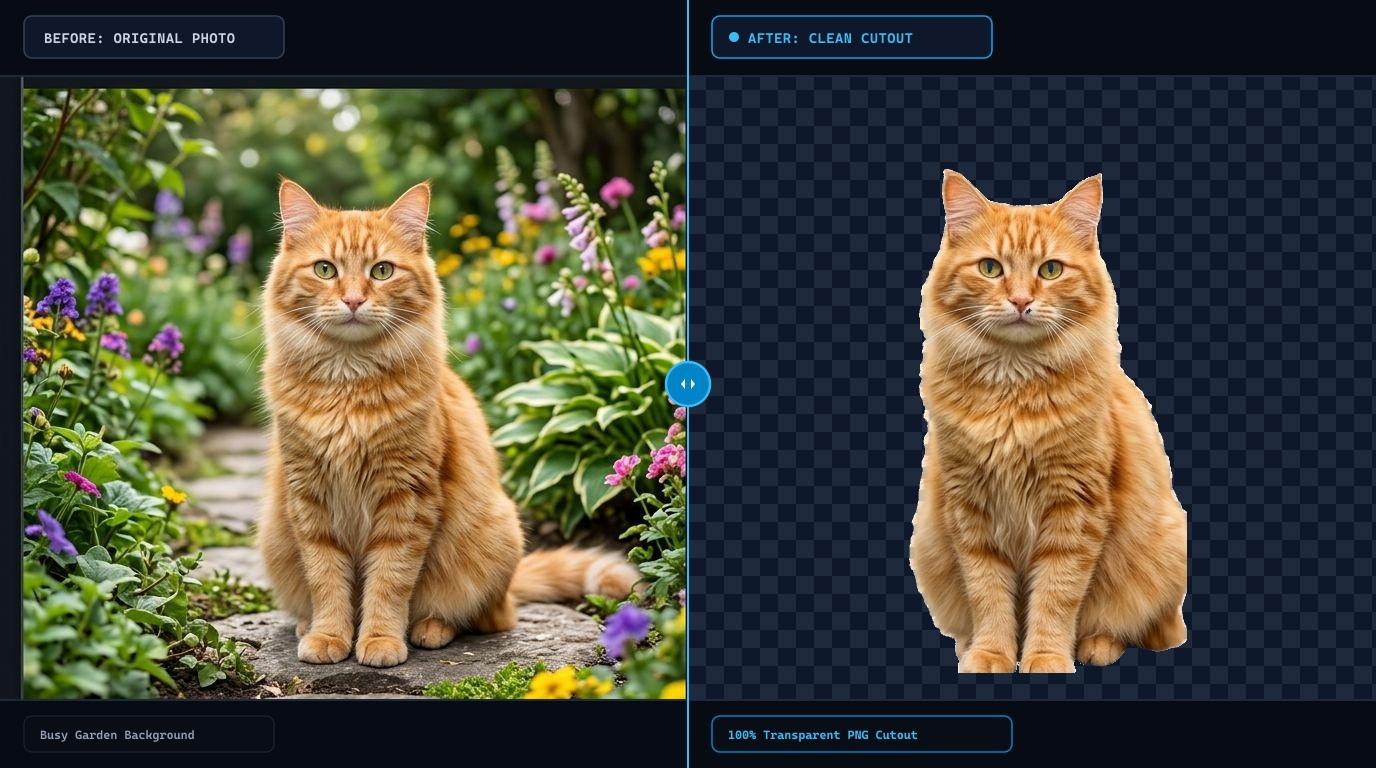
Before: Busy GardenAfter: Clean Cutout
Background Remover
Remove flat backgrounds with adjustable color matching and a manual eraser.
Don't just run isolated tools one-by-one. Combine non-destructive background cleanup, text layout, real garment placement, and automated print preflight check in one continuous designer canvas.
Everything you need from design preparation to marketplace-ready files. Fast. Easy. 300 DPI Ready.
Remove flat backgrounds with adjustable color matching and a manual eraser.
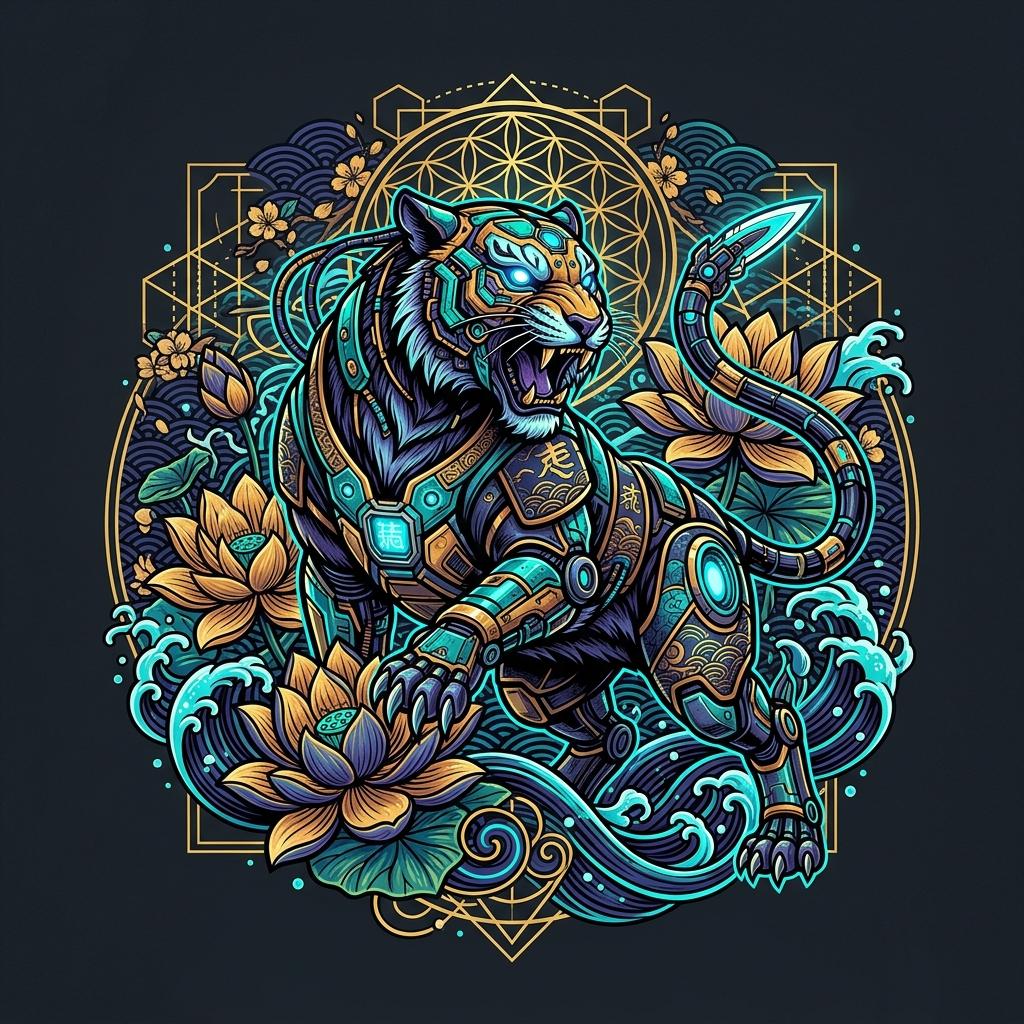
Turn your cutout into a PNG with a real transparent alpha channel.
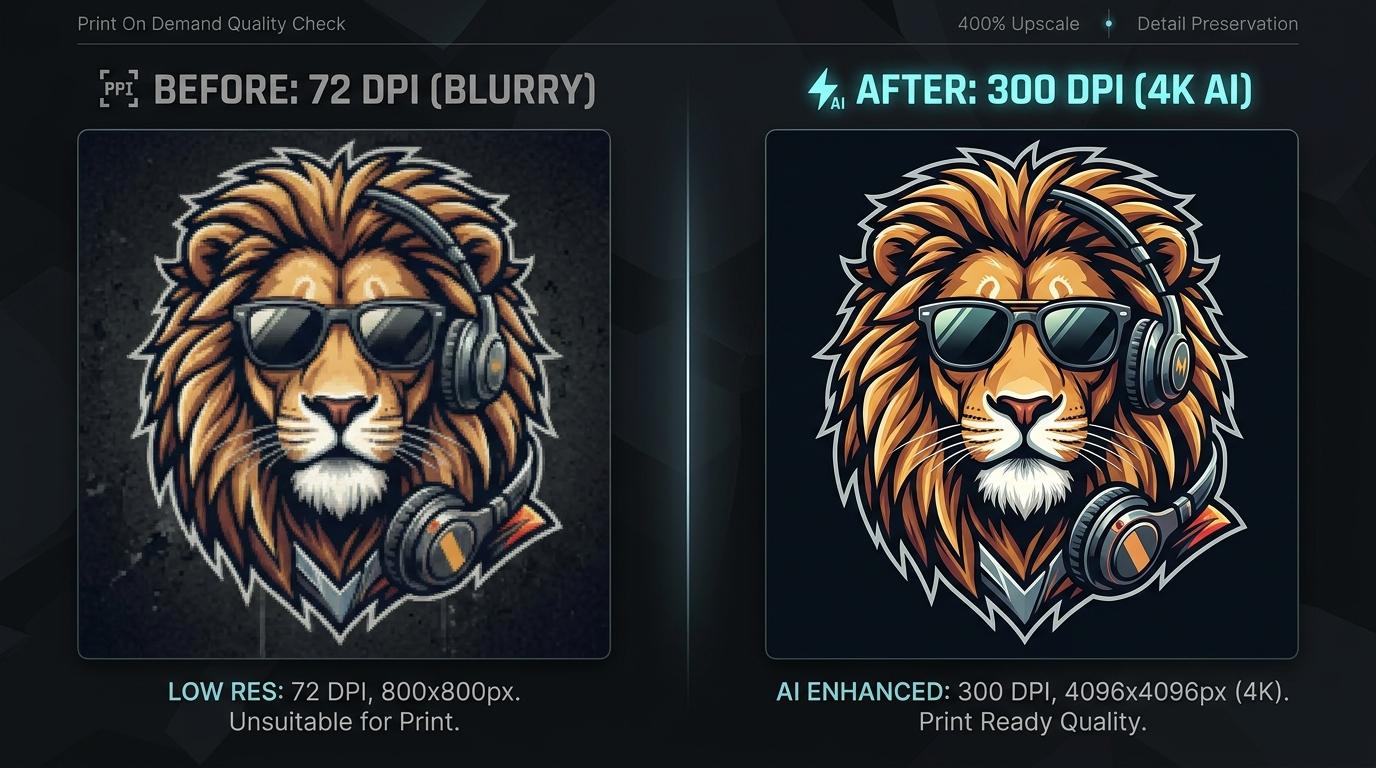
Resize artwork to a larger canvas while preserving its aspect ratio.
Combine a cutout, print canvas, DPI metadata and a listing draft in one workspace.
Calculate physical print size from pixels and your chosen resolution.
Draft titles, descriptions and relevant keywords for your marketplace.
Export a simplified SVG made from color-quantized vector shapes.
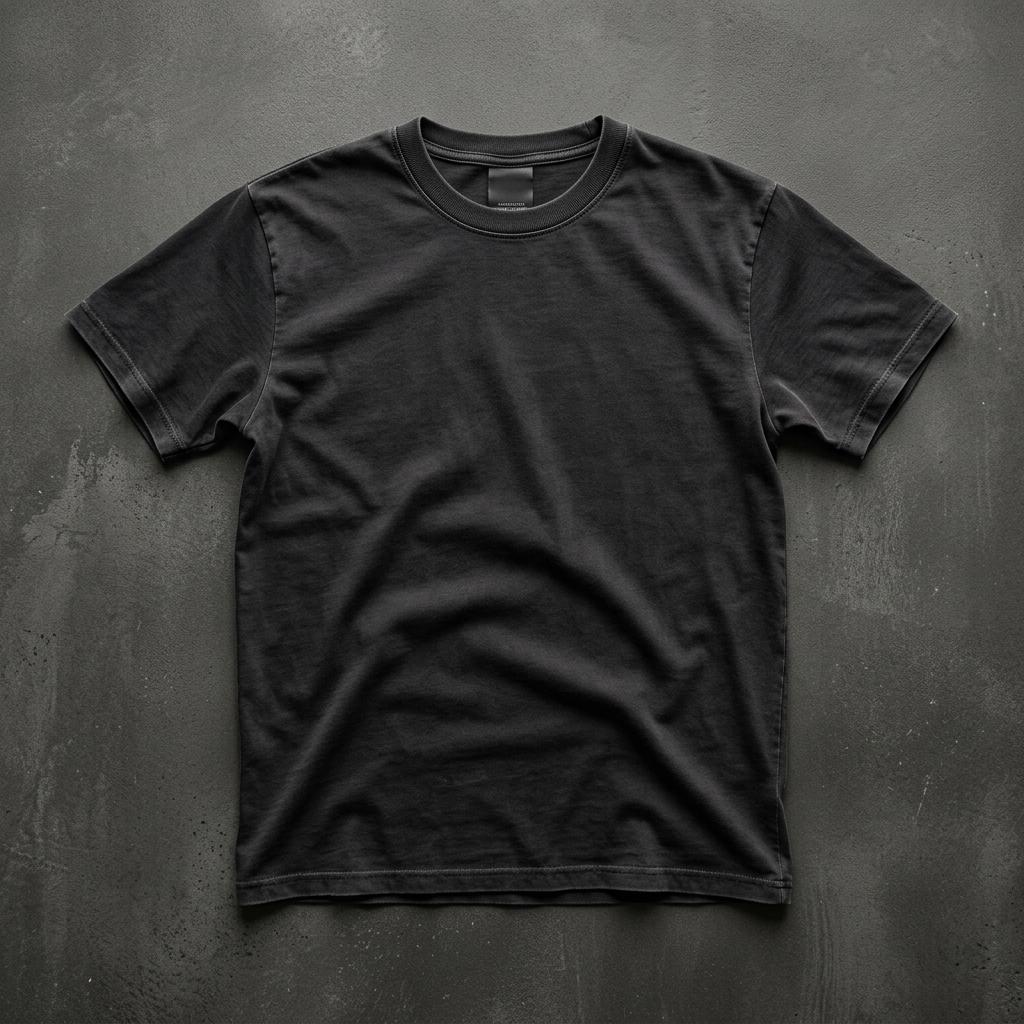
Position your design on a garment preview and download the composition.
Convert images between PNG, JPEG and WebP formats instantly in your browser.
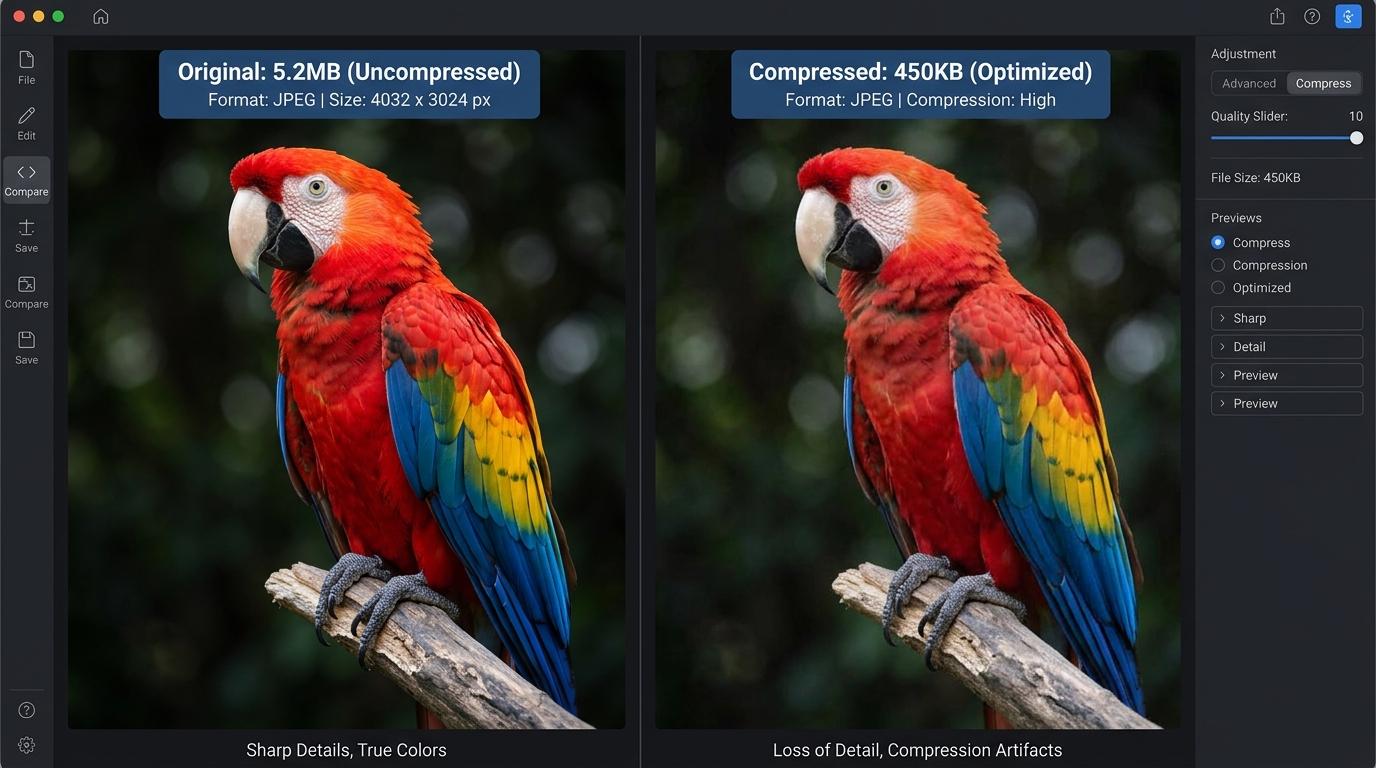
Reduce image file size without visible quality loss using smart browser compression.
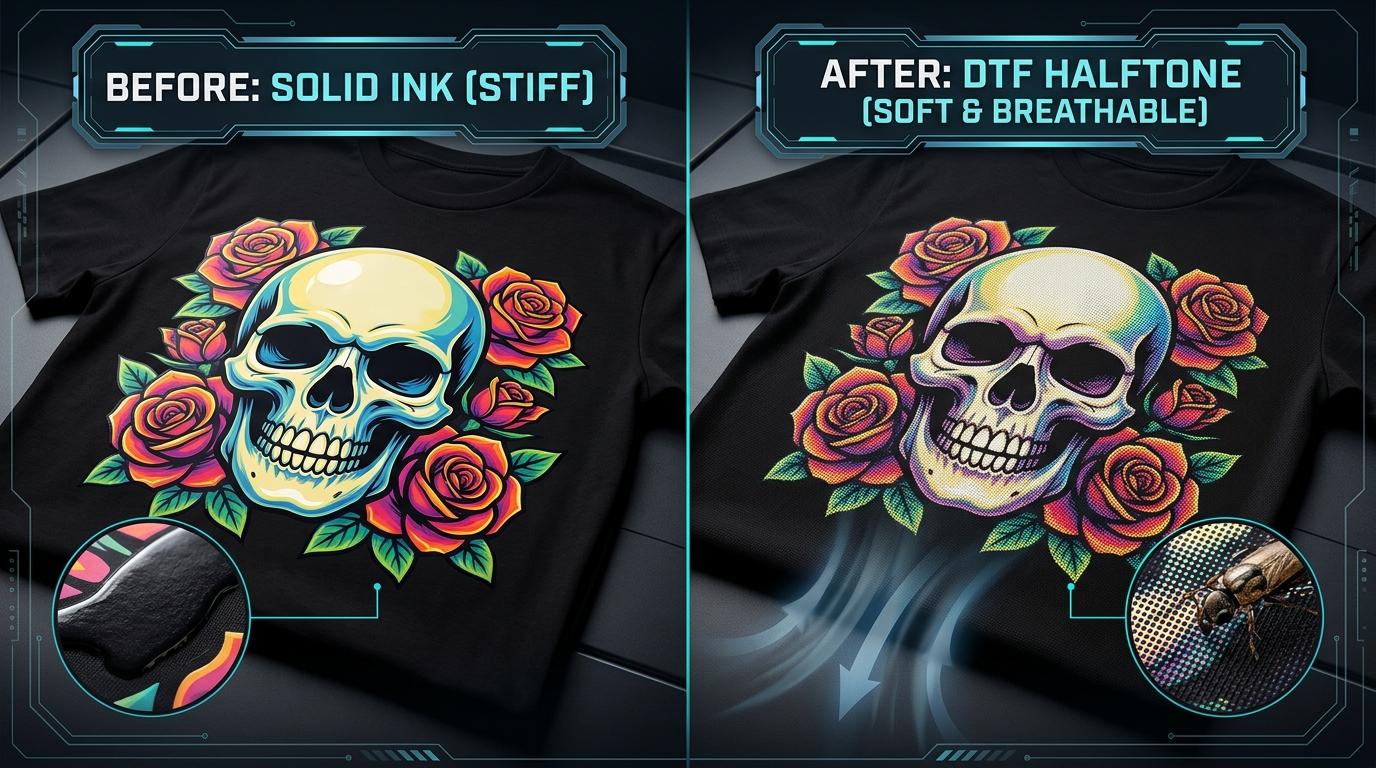
Convert any image into a print-ready DTF halftone pattern — AM, FM or Hybrid screening with adjustable LPI, angle and dot shape.
Even more creative tools are on the way to help you design and prepare files faster.
QUESTIONS, ANSWERED
Remove the background, inspect the edges against light and dark backgrounds, then export as PNG. JPEG cannot store transparency. A visible checkerboard can be baked into an image, so verify the actual alpha channel.
Follow the supplier's product-specific resolution requirements. Pixels divided by pixels per inch gives print size in inches. A 3000-pixel-wide design corresponds to 10 inches at 300 PPI. Editing the DPI label alone does not create detail.
The current image remover uses color matching and edge-connected processing in your browser. It includes threshold and manual cleanup controls. AI is used for listing drafts when the server's AI service is available.
Resizing can meet a canvas requirement, but it cannot recover detail that the source never contained. Inspect the export at its intended print size and recreate important lettering or linework when needed.
Yes. Choose the relevant marketplace and review the resulting draft before publishing. Verify current platform rules, product facts, artwork rights and keywords yourself; generated text is not a compliance check.
Describe the product and artwork accurately, use relevant search phrases, fill in appropriate categories and attributes, and make the listing useful to a shopper. Avoid unrelated tags and repetitive keyword lists.
Image editing happens in your browser. The current studio sends a reduced image preview and design context to the listing API during its combined workflow. When configured, that API passes them to Groq for AI generation. Use only content you are authorized to share.